Year: 2017

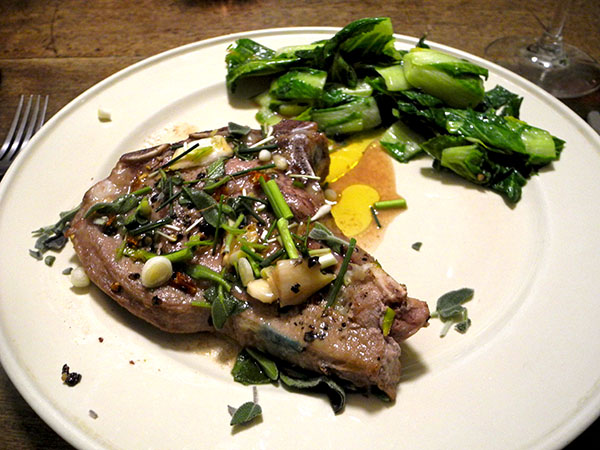
roasted veal chop with garlics; napa cabbage with juniper

I had gone to my favorite Greenmarket cheese stall for cheese; I came home with veal chops (Consider Bardwell makes cheese from the milk of their own animals, and baby boy cows are rather unhandy for the purpose).

I forgot about the cheese.

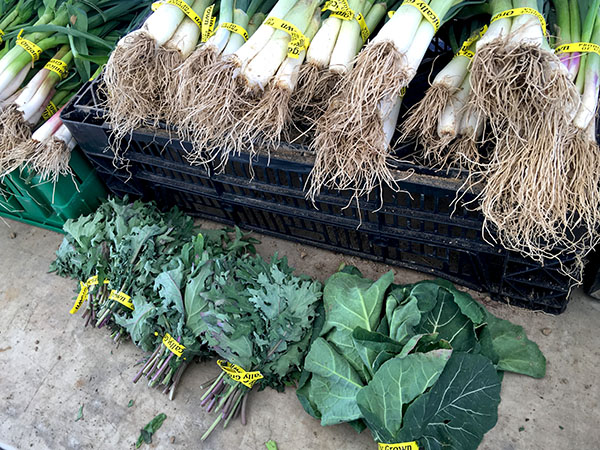
  • two small veal loin chops from Consider Bardwell Farm, dried, rubbed with olive oil, salt, and freshly-ground Tellicherry pepper, brought fully to room temperature, seared inside a small tin-lined copper pan, both sides then rubbed with crushed two crushed garlic from Healthway Farms & CSA and a little crushed dried orange-gold Habanada pepper (acquired fresh last season from Norwich meadows Farm) before they were roasted in a 375º oven for about 7 or 8 minutes, turning once, and allowed to rest for a few minutes after being drizzled with the pan juices, a squeeze of lemon, some olive oil, scattered with finely-chopped wild garlic from Lani’s Farm (it’s mild, but I should have restrained myself a little more in doling it out) and some chopped sage from Eataly
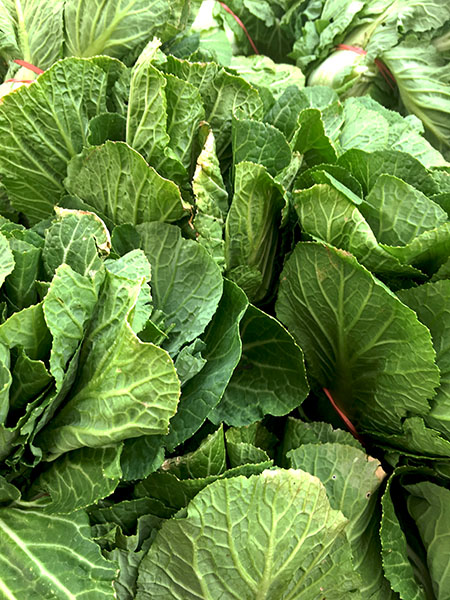
  • baby Napa cabbage from Lani’s Farm, washed, trimmed, sliced once lengthwise,  then crosswise in 2-inch sections, wilted in olive oil along with half a dozen crushed juniper berries, the greens then seasoned with salt and freshly-ground black pepper, and drizzled with a little more olive oil
  • the wine was an Italian (Veneto) red, Dal Maso Monte Mitorio Tai Rosso Colli Berici 2014
  • the music was the 1966 section of the album, ‘Music From The Once Festival 1961-66

crab cakes, herb salsa; roasted radish, rosemary, habanada

Mostly because we’ve been running around during New York art fair week, I haven’t been to the Greenmarket in 5 days. Also, I haven’t bought any fish in 8, but we’ve still had to eat, and we’ve done pretty well, with the help of a great pizza one night.

I had thought about going to Union Square on Friday, even if the time I’d spend would eat into our window for visiting NADA New York. Then, late the night before, I did some calculations and decided I still had enough good stuff on hand to put together decent meals on the 2 evenings I’d be able to cook at home before Monday, when I would definitely be able to make it to the market.

Last night we enjoyed one of the 2 packages of frozen crab cakes I had been keeping for such an eventuality, and, aside from some beautiful local (Maine) outsize cherry tomatoes with which I could assemble a salsa,  I also had a decent selection of root vegetables to choose from.

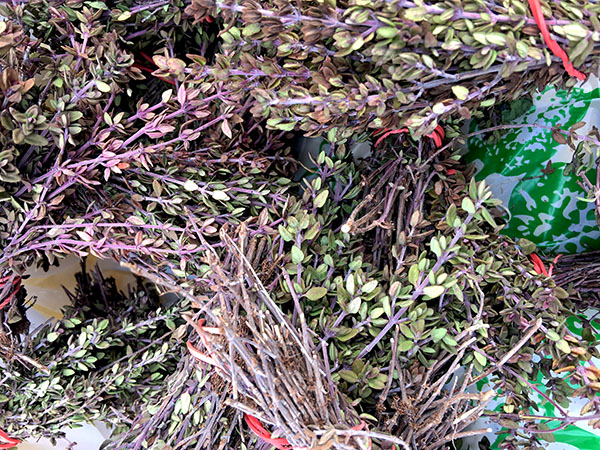
Fresh herbs are one of the things I miss most during the winter months, but there are a surprising number of opportunities to pick up some of them in the Union Square market. I found these beautiful thyme bunches, leaves with purple-red undersides, and definitely a sturdy feel to them, but no less pungent than their summer cousins.

I’m no botanist, so I can claim no authority on the designation, but I labeled my photograph of the thyme, ‘winter thyme’, because, well, who knew there was such a thing?

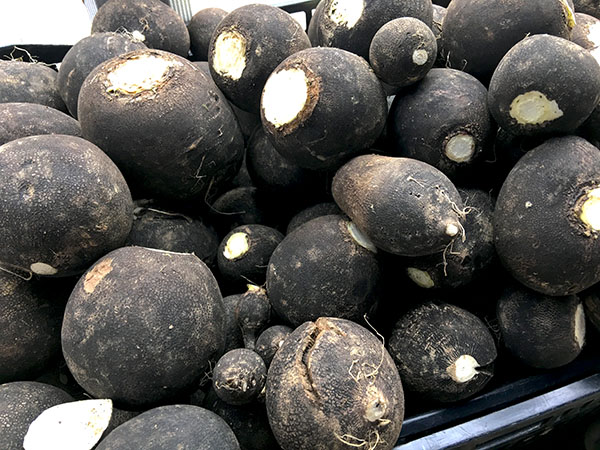
There’s a reason winter vegetables have always been so popular in the winter (well, aside from their virtues otherwise: Most roots (and brassica as well) are pretty sturdy, and they can be stored for longer periods than most people expect. I bought the radishes I roasted yesterday on the first of February, just over a month before.

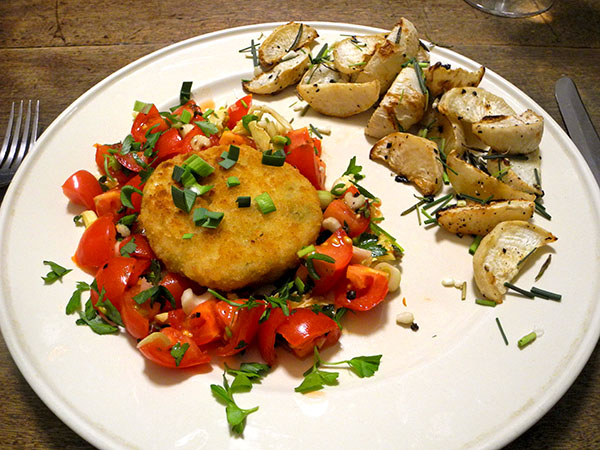
  • two crab cakes from PE & DD Seafood (the ingredients are crab, egg, flour, red & green peppers, garlic, salt, pepper, breadcrumbs, mayonnaise, milk, celery, and parsley), heated inside a oval heavy enameled cast iron pan, 3 to 4 minutes to each side, served inside a ring of salsa which was composed of 7 chopped Backyard Farms Maine ‘cocktail tomatoes’ from Whole Foods, combined with salt, freshly-ground Tellicherry pepper, a bit of a powdered seasoning blend with the proprietary name, L’eKama, a small amount of chopped celery heart from Foragers Market, chopped red thyme from Phillip’s Farm, chopped parsley from Eataly, one chopped scallion from Norwich Meadows Farm, the crab cakes then finished with a sprinkling of the green stems of the scallion, chopped, with more chopped parsley sprinkled on the salsa
  • black radishes from Norwich Meadow Farm, scrubbed, peeled, cut into wedges, tossed with a little olive oil, salt, freshly-ground Tellicherry pepper, rosemary leaves from Whole Foods Market, separated from their stems, and one crushed piece of dark home-dried Habanada pepper, roasted inside a large Pampered Chef unglazed ceramic pan, at 400º for 20 or 25 minutes
  • the wine was a California (grapes from the Sacramento River Delta with a small amount of Viognier from Lodi) white, Miriam Alexander Chenin Blanc 2014
  • music was selections from The Once Festival 1961-66, which included work by Robert Ashley, Roger Reynolds, and others

speck, arugula; penne, wild garlic/thyme/tomato/parmesan

No Habanada was asked to participate in this dish, which is extraordinary.
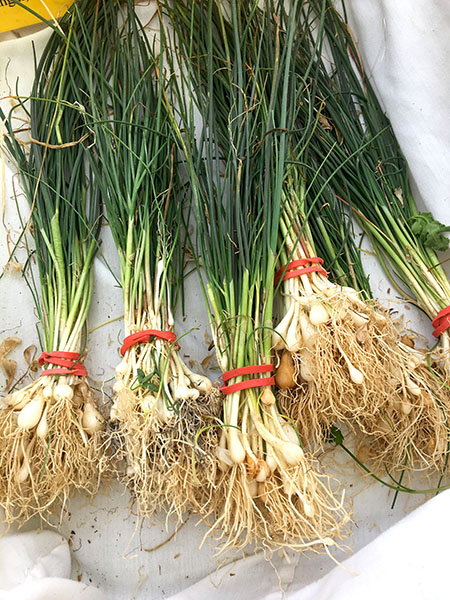
Actually, the heatless highbred pepper might have been welcome, since the only unusual ingredient was the mild taste of wild garlic (it’s now spring!).

So it was like a night off.

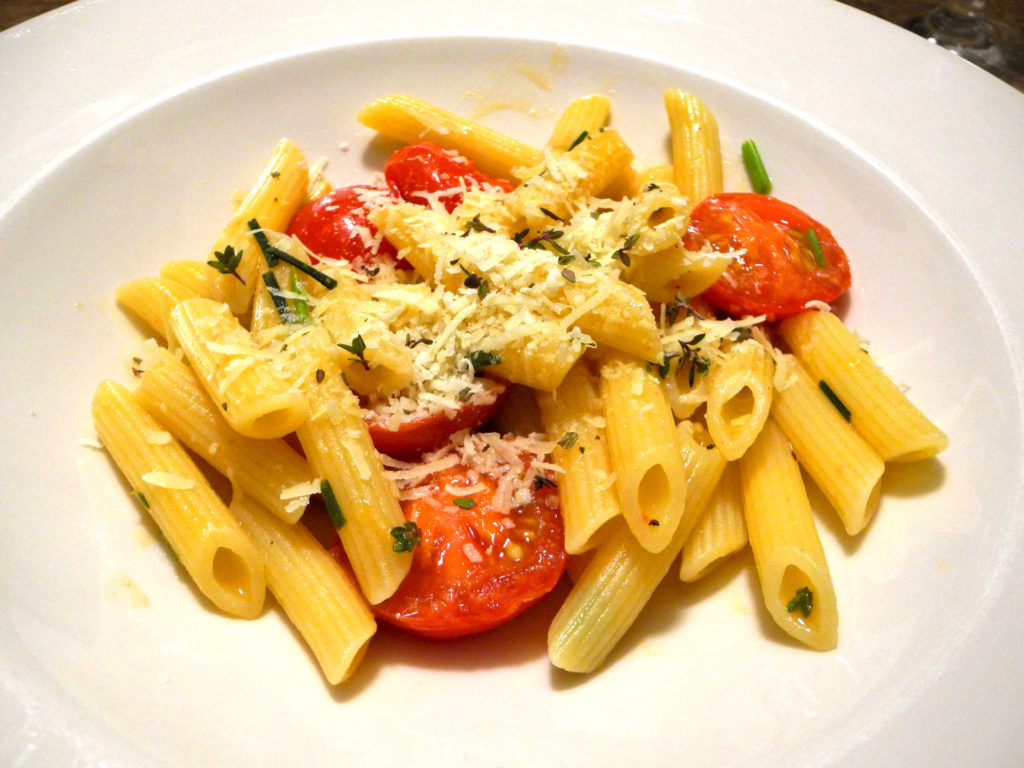
What it did contain was 8 ounces of Afeltra Pasta di Gragnano penne rigate from Eataly, half of a bunch of roughly-chopped wild garlic from Lani’s Farm, chopped red thyme from Phillips Farm, halved Backyard Farms Maine ‘cocktail tomatoes’ from Whole Foods, salt, freshly-ground Tellicherry pepper, olive oil, and grated Parmigiano-Reggiano Vache Rosse from Eataly

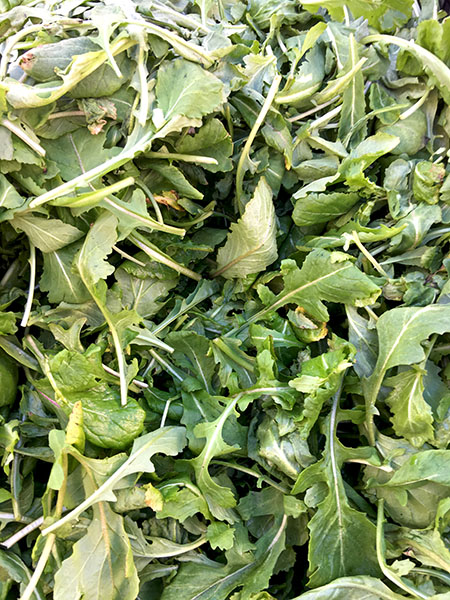
There was a first course of La Quercia Speck Americano (an American ‘applewood-smoked prosciuto’), from Whole Foods, and baby arugula from John D Madura Farm, dressed with a good Campania olive oil (Lamparelli O.R.O.) Maldon salt, Tellicherry pepper, served with slices of pain au levain from the Bread Alone stand in the Union Square Greenmarket

roasted squid, Sicilian oregano and chilis, habanada; rapini

I wrote yesterday about my obsession with Habanada peppers. Later that same day I had a chance to remind myself just why.

I’ve gone through the simple routine of this recipe many times, once, in a small break with the orthodoxy, even introducing a small pinch of the dried orange gold sort. Last night however, maybe because I had become excited writing about these peppers earlier, I splurged, crushing an entire section into the mix of dry oregano and chili pepper I cast into the pan with the squid before they went into the oven.

It was our best experience yet with a recipe already way up there among our favorites. As always, the Habanada itself remained indiscernible, but it contributed a wonderful complexity and richness to the whole.

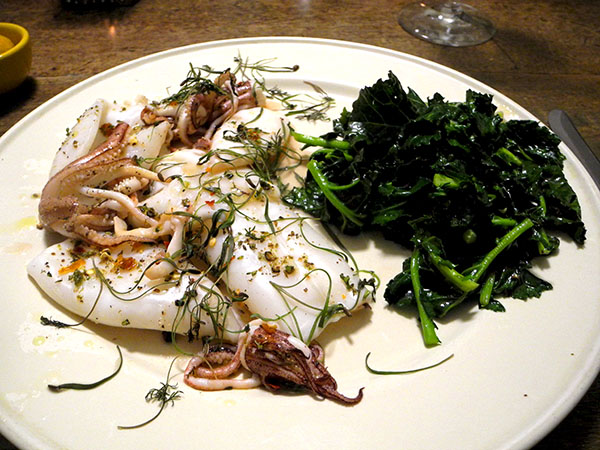
  • a large rectangular enameled cast iron pan heated until quite hot, its cooking surface brushed with olive oil, and, when the oil was also quite hot, about 15 ounces of rinsed and dried squid from P.E. & D.D. Seafood in the Union Square Greenmarket, bodies and tentacles, arranged in it very quickly, immediately sprinkled with some super-pungent dried Sicilian oregano from Buon Italia, part of a dried Sicilian pepperoncino, also from Buon Italia, and an entire section of a home-dried heatless, orange/gold Habanada pepper (purchased fresh from Norwich Meadows Farm last fall), followed by a drizzle of a few tablespoons of juice from a local lemon from Fantastic Gardens of Long Island, and some olive oil, the pan placed inside a pre-heated 400º oven and roasted for 4 or 5 minutes, removed, the squid distributed onto 2 plates, ladled with their cooking juices after they had been transferred to a sauce pitcher, scattered with a little micro bronze fennel from Two Guys from Woodbridge, and served with halves of another, tiny local lemon-lime served on the side of each plate

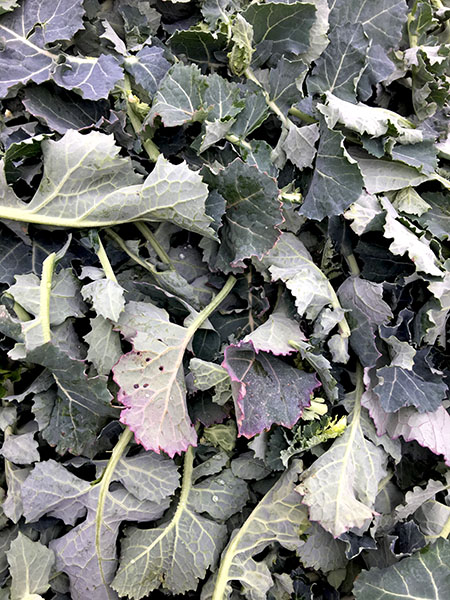
  • loose “overwintered broccoli rabe” (aka rapini) from Lani’s Farm, wilted in olive oil flavored with one large garlic clove from Healthway Farms & CSA which had been bruised and heated until beginning to color, seasoned with salt and pepper, divided onto 2 plates and drizzled with more olive oil
  • the wine was an Italian (Sicily, Palermo) white, Corvo Insolia 2015 from Philippe Wine and Spirits, on West 23rd Street less than one block from our table, a wine which we have often, and have enjoyed just as often
  • the music was that of the still-hugely-neglected Swedish composer, Allan Pettersson, his 1976 Symphony No. 13,  Christian Lindberg, Norrkoping Symphony

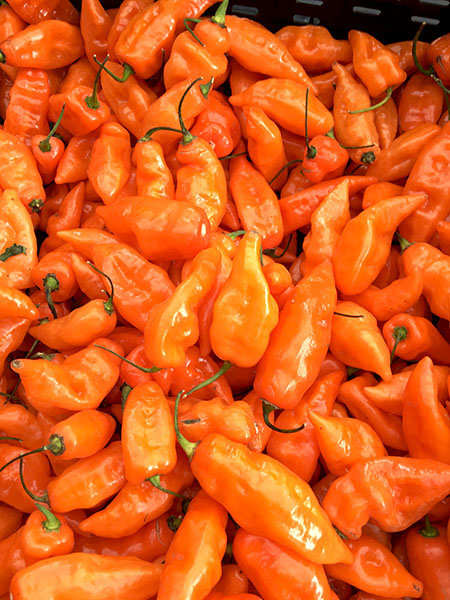
the habanada pepper: fresh, and dried two ways

I’ve used and written about these peppers so often, both fresh, as seen above, when they were available last summer, and now home-dried, that I decided I had to do a special post about them alone, if only to have something to link to.

The Habanada is a highbred pepper which was developed only recently; I think it it’s a very special one.

This paragraph, from a page on the Cornel University Small Farms Program site, is an introduction to their origin story, which, like most such stories, includes a hero:

Habanada is a brand new pepper, the first truly heatless habanero (hence the haba-nada) bursting with all the bright, tropical flavor of the fruit unmasked. Many attempts have been made over the years but none have achieved the fullness of flavor with absolutely zero heat. Their crisp, thin skin has an exotic, floral flavor like no pepper I have ever tasted. From cast-away seed to a signature show-stopper variety, Michael Mazourek has brought this pepper a long way in just thirteen generations.

I’ve encountered Habanadas only at Norwich Meadows Farm, in the Union Square Greenmarket.

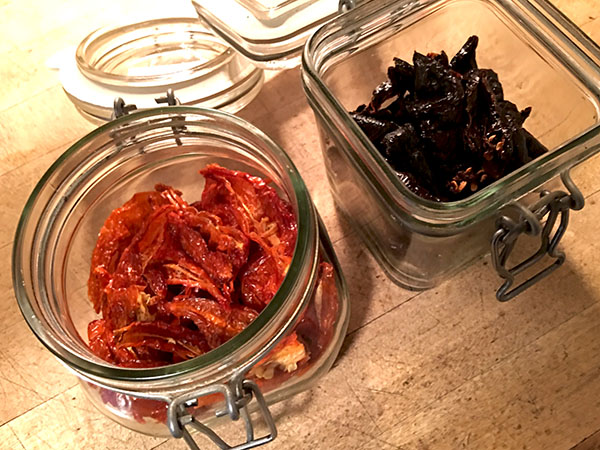
When dried, which I did myself in order to extend their season through the winter and spring, at the suggestion of Haifa Kurdieh, who runs the farm with her husband Zaid, they look like this:

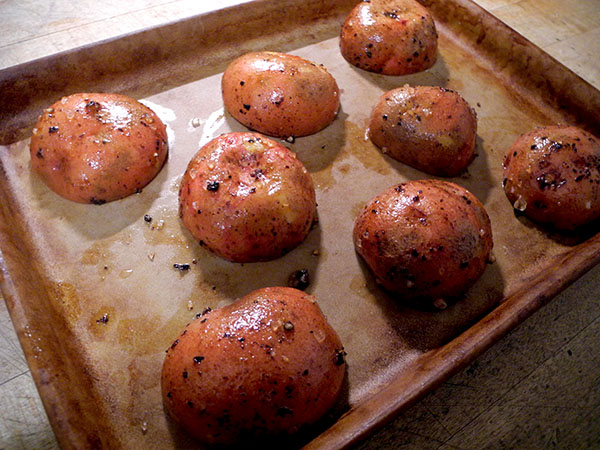
I retrieved the darker, very serious looking mahogany-colored batch from the oven just in time; they have more than a hint of smokiness (and, oddly something like an anise scent), in addition to the elements they retain from the original Habanero. The golden orange ones, which were my second try, are somehow both more gentle and more powerfully aromatic; they’re quite perfect, in every way.

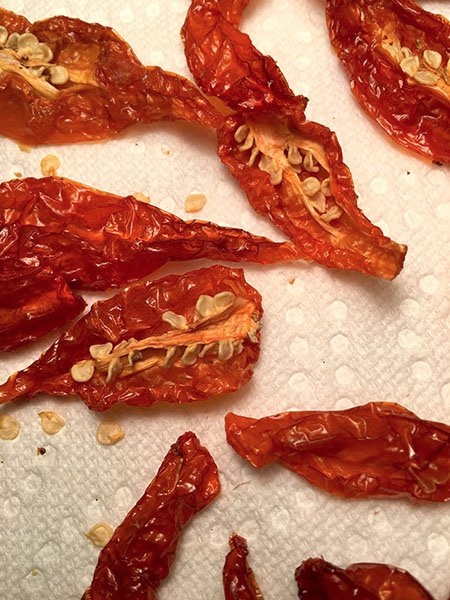
This is a close-up of the dried golden orange, just after they came out of the oven:

All three versions have been wonderful additions to many parts of many meals over the last 6 or 8 months. I miss the fresh peppers, but I’ve been using both the darker and the lighter versions more than frequently ever since I dried them last fall, as a quick search will show. They work with everything, meat, fish, eggs, pasta, vegetables. The only difficulty they present, I might confess, is controlling my addiction (and deciding which of the 2 to use in any particular application).

duck, lemon, rosemary; roasted paprika potatoes; collards

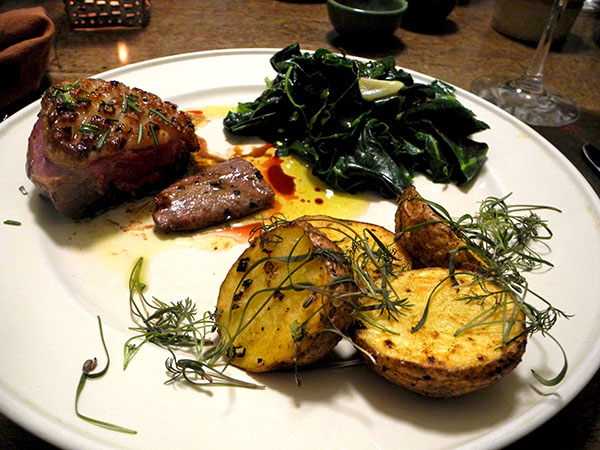
The duck is always a treat, and the vegetables served with it, which always vary, are chosen for their sturdiness and color. It always works. This time there was a small tweak in one of the standby classics, the introduction of some Spanish paprika (picante) and a little dried dark habanada pepper.

  • one duck breast (12 ounces) from Hudson Valley Duck, the fatty side scored in tight cross hatching with a very sharp knife, the entire breast then sprinkled with a mixture of sea salt, freshly-ground pepper, and a little turbinado sugar (infused over a very long time with a whole vanilla bean), the duck left standing for about 45 minutes, this time, before it was pan-fried over medium heat, the fatty side down first, in a tiny bit of olive oil, draining the oil part of the way through [to be strained and used in cooking later, if desired], the breast removed when medium rare (cut into 2 portions to check that the center is of the right doneness, that is, no more than medium rare), left to sit for several minutes before serving, but drizzled with a sweet local lemon from Fantastic Gardens of Long Island and drops of a very good Campania olive oil, scattered with a little chopped rosemary from Whole Foods once the duck had been arranged on the plates [NOTE: the tenderloin was removed from the breast, marinated along with it and fried very briefly near the end of the time the bulk of the meat was cooking, divided in half and served next to it]
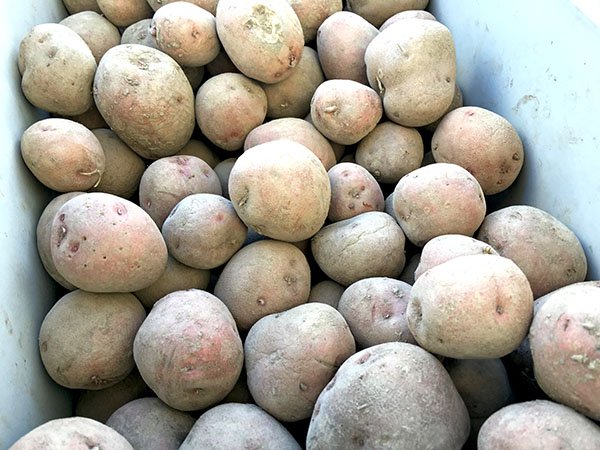
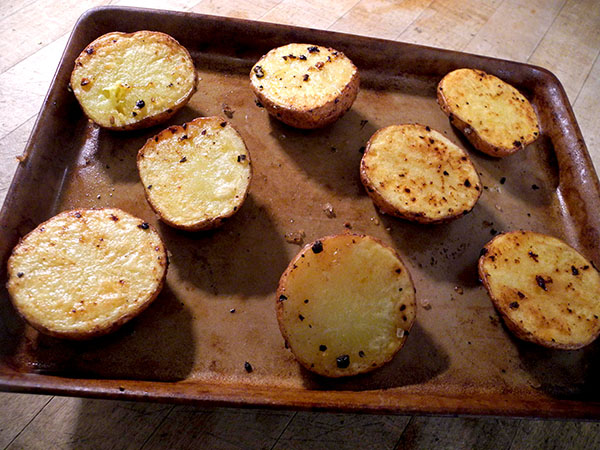
  • four red gold potatoes from Keith’s Farm, scrubbed, halved uncut, tossed with a little olive oil, salt, pepper, a little picante Spanish paprika, a large pinch of dark home-dried habanada pepper, arranged cut side down on a small Pampered Chef unglazed ceramic pan, roasted at about 375º-400º for about 20 or 25 minutes, roasted at about 375º for about 20 or 25 minutes, arranged on the plates draped with a little bronze micro fennel from Two Guys from Woodbridge

filetti alici marinate as primi

Because the pasta course was a leftover which had already made an appearance here, I’m only showing the primi portion of last night’s meal.

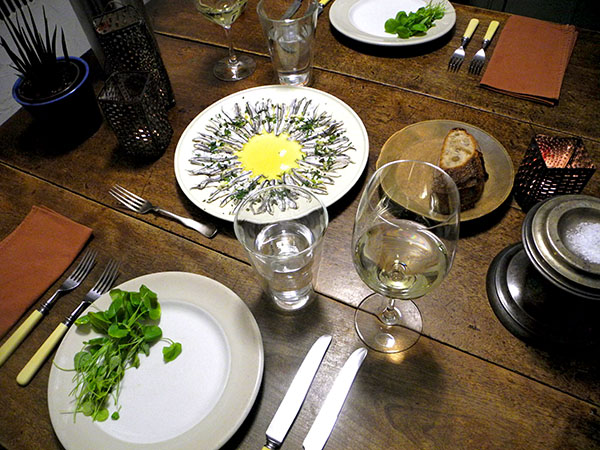
There was no actual ‘cooking’ involved, but there was enough busy work (also a neat image), so I decided to record it.

  • A package of alici marinate produced by Agostino Recca, from Eataly, the fillets removed from the package, laid on top of paper towels on a large plate in order to drain the sunflower oil in which they had been packaged, the top side gently dried with another paper towel, then carefully arranged on a second large plate, scattered with chopped parsley from Eataly, chopped oregano from Stokes Farm (which had somehow survived the winter inside our refrigerator door), and finely-chopped garlic from Healthway Farms & CSA, drizzled with Campania D.O.P. Penisola Sorrentina ‘Syrenum’ olive oil, the plate covered and set near a window where they remained at precisely 58º F (hey, I read somewhere that Italians love 58º F for their alici) for about an hour and a half, served as with some lightly-dressed upland cress from Two Guys from Woodbridge, and slices of a pain au levain from the Bread Alone stand in the Greenmarket
  • the wine was an Italian (Marche) white, Saladini Pilastri Falerio 2015, from Philippe Wines
  • the music was the German songs on the album, ‘I Hate Music – But I Love To Sing’, plus the Hanns Eisler songs on the album, ‘Salome Kammer; I’m a Stranger Here Myself’


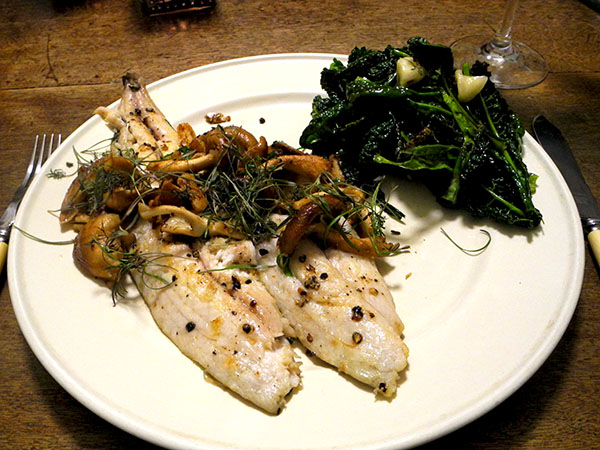
mackerel with mushrooms, lemon, herb, fennel; cavolo nero

Mackerel and Mushrooms? It’s a dream dish if you add lemon, and then not much more is really needed. I found the base recipe here; I’ve worked with it twice before, once with sea bass, and it’s been terrific each time.

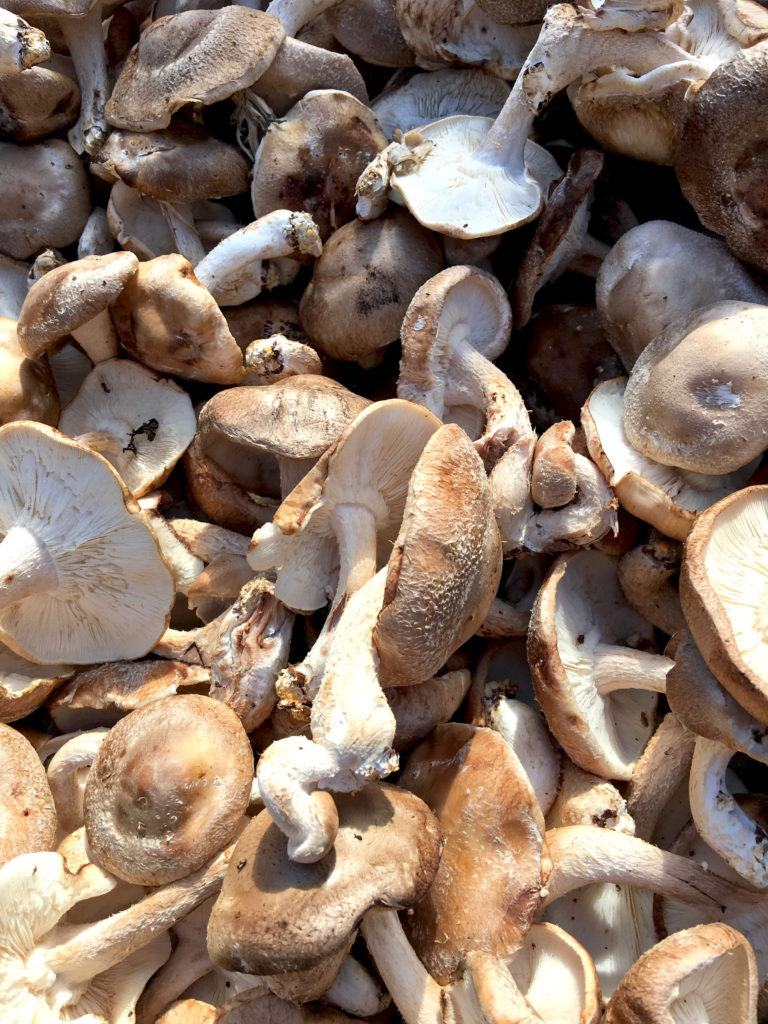
  • three Boston mackerel fillets (a total of 15 ounces) from Pura Vida Fisheries, seasoned on both sides with salt and pepper, sautéed fairly gently with butter and a little olive oil inside a large, thick oval copper pan, flesh side first, then turned after about 3 minutes and the other side cooked for about the same length of time, removed to 2 plates when done, covered to keep warm (or placed inside a just-warm oven), 2 tablespoons of butter added to the pan, and then about 6 ounces of medium-size Shiitake mushrooms (lentinula edodes) from John D. Madura Farm, cut in half, added and sautéed while stirring until lightly cooked, seasoned with salt, pepper, after which a mix of a couple tablespoons of chopped lovage from Two Guys from Woodbridge and chopped parsley from Eataly, plus about a tablespoon (or a little more) of lemon juice was added to the pan, everything stirred before the herbed mushrooms and their juices were spooned on top of the mackerel, which was finished with a little fresh chopped lovage and parsley [in this case, after the picture was taken], garnished with some bronze micro fennel, again from Tow Guys from Woodbridge
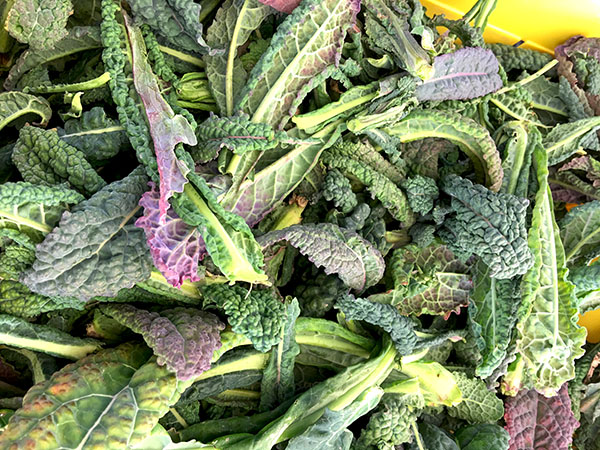
  • cavolo nero, aka black kale, or Tuscan kale, from Norwich Meadows Farm, sautéed until wilted inside a large enameled cast iron pot with olive oil in which 2 halved garlic cloves from Healthway Farms & CSA had first been heated until beginning to color, seasoned and drizzled with olive oil
  • the wine was an Italian (Puglia) white, Verdeca, Angiuli – 2015, from Astor Wines
  • the music was Q2 Music, streaming

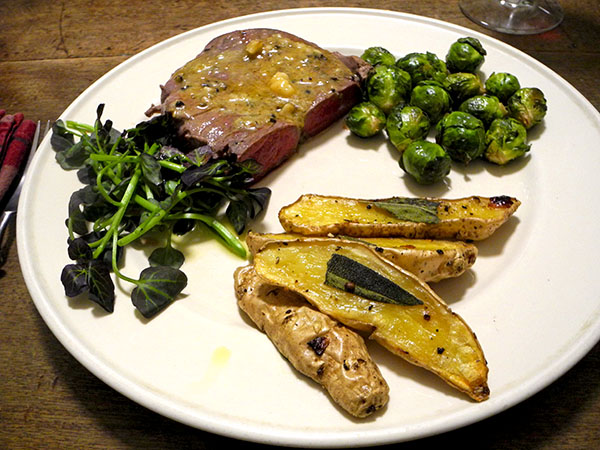
venison; watercress; roasted fingerlings; brussels sprouts

I wasn’t looking for game when I went to the Greenmarket last Saturday. I already had plans for our entrée that evening, but I stopped to say hello to the people at Quattro’s Poultry & Game Farm.

I went home with some venison.

While at the stand I had noticed a single venison steak at the bottom of one of their display containers. I made a mental note reminding myself that venison is occasionally available in our local farmer’s market (I’ve enjoyed Quattro’s stock once before, although it was some time back). I started to walk away but decided I shouldn’t pass up this opportunity: If I took it home I would be free to use it soon or else freeze it for a later meal.

I didn’t wait long: We enjoyed that meal Tuesday night.

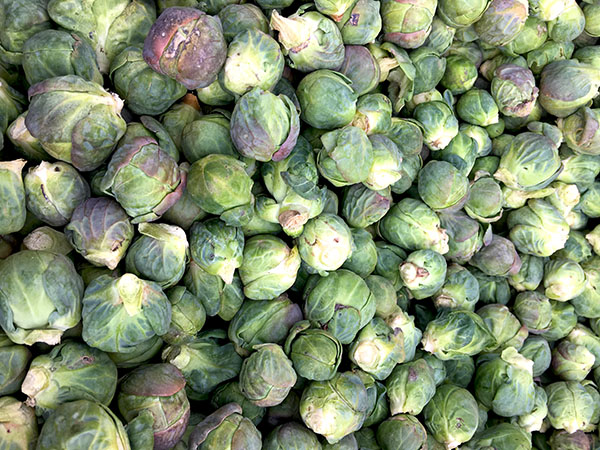
Venison steaks are actually extremely simple to prepare, and I already had a a sauce, an interesting prepared butter, waiting in the freezer. Also, the only green vegetable I had on hand last night, a couple handfuls of some really beautiful Brussels sprouts, would be even more simple to cook than the game they might accompany.

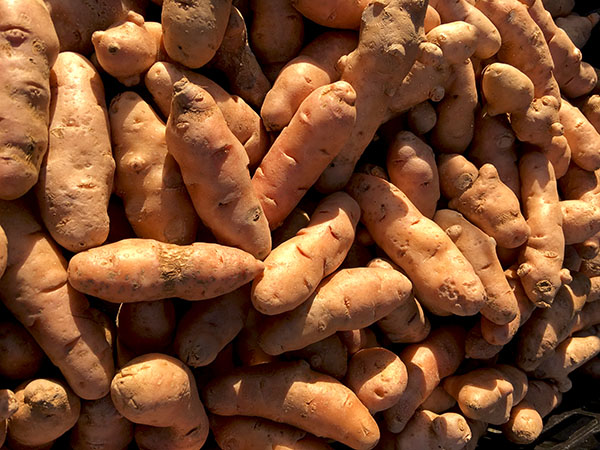
It all looked too easy to me however, and since I had more than enough time, I expanded the entrée with a little cress and the last 4 potatoes from a small store of fingerling potatoes I had been husbanding.

The meal was a small triumph, and I still have a little of that terrific butter left in the freezer for another night.

  • one 14-ounce leg steak of free-range venison from Quattro’s Poultry & Game Farm, brought to room temperature, brushed with olive oil and seasoned with salt and freshly-ground Tellicherry pepper on both sides, set aside for almost an hour, grilled inside a ribbed, enameled cast iron pan over medium-high heat for a little over 2 minutes on each side, or until medium-rare, then cut into 2 pieces, a tablespoon or so of a room-temperature blue-cheese-and-fennel-seed composed butter placed on top of each while they were still warm [the butter being a frozen leftover made for an earlier meal of venison, using some softened ‘Kerrygold Pure Irish Butter‘ flavored with a small amount of toasted and crushed dried fennel seed; a few drops of Worcestershire sauce; salt; pepper; a couple ounces of Gorgonzola Casarrigoni from Whole Foods; and a sprinkling of crushed dried, very dark, heatless habanada peppers, all rolled between sheets of wax paper into a ‘log’ one inch in diameter]
  • baby red watercress from Two Guys from Woodbridge, dressed with a little good olive oil, Maldon salt, and freshly-ground Tellicherry pepper

Lotte à la moutarde Pierre Franey; la tombée d’épinards

These days it’s not often I get to feel a little French while sitting at a dinner table, but last night there was something of the feel of a Paris bistro inside our own apartment, thanks in part to a French chef who had come to the U.S. in 1939.

An alien (yes!) kitchen assistant working legally in the French pavilion at the 1939 World’s Fair, Pierre Franey chose to join the U.S. army as an infantry machine gunner when his adopted country entered the war. He had declined the offer to become General MacArthur’s cook, and later won a Purple Heart. After the war he rose to the position of top chef at Le Pavillon and La Cote Basque, but he dedicated much of his later career to bringing a broader appreciation to the pleasures of preparing good food, including an emphasis on regional cuisine, local sources, simple preparation.

Born into a socialist family in northern Burgundy in 1921, Franey died with his chef’s toque on, suffering a fatal stroke in 1996 just after conducting a cooking demonstration on the Queen Elizabeth II.

A few years ago his 3 children created a website which includes over a hundred of his recipes.

This one, for what we call monkfish, isn’t in it, but it’s pretty terrific, and obviously not very haute.

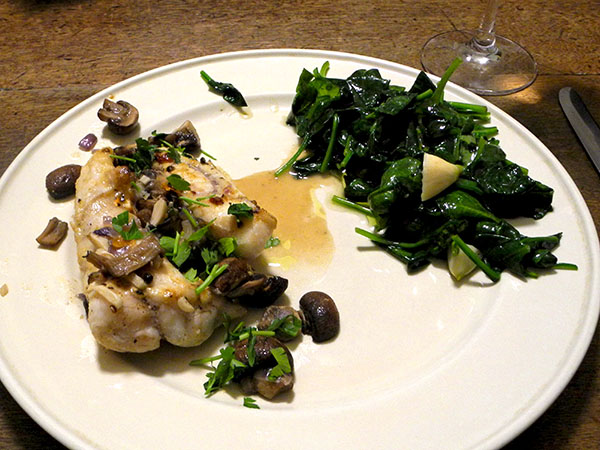
  • four small monkfish fillets (about 18 ounces total) from P.E. & D.D. Seafood, washed, drained, dried, then prepared ‘Dijon Style’, with a red onion variation of this vintage Pierre Franey recipe [note: 15 minutes may be too long for fish this size]; the ingredients I used included Cremini mushrooms from John D. Madura Farm, garlic from Healthway Farms & CSA; one small red onion from Norwich Meadows Farm; Tufjano Bianco, Colli della Murgia – 2013 wine, from Astor Wines; the juice from one small local lemon (Fantastic Gardens of N.J.); Kerrygold Pure Irish Butter; and parsley from Eataly

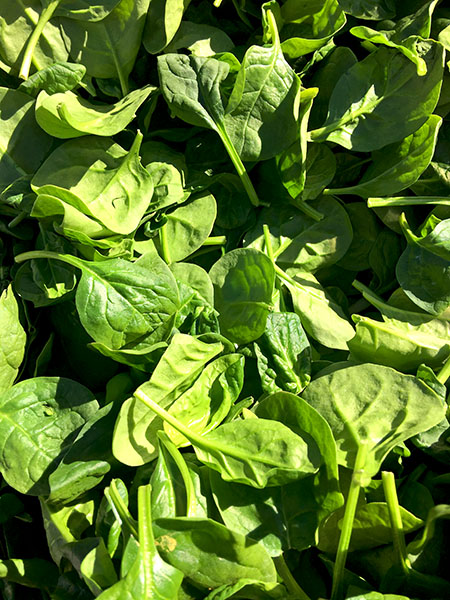
I don’t have a picture of the mushrooms here, because I grabbed the last in the farmer’s little bin, but here’e the Spinach, wonderful, both before and after its preparation.

  • spinach from John D. Madura Farm (around 6 oz.), washed in several changes of water, drained, gently wilted (that is, not reduced too far) inside a large enameled cast iron pot in a little olive oil in which 2 cloves of garlic from Healthway Farms & CSA had first been allowed to sweat, seasoned with salt, freshly-ground black pepper, a little crushed dried Itria-Sirissi chili (peperoncino di Sardegna intero) from Buon Italia, then drizzled with olive oil and a little juice from one small local lemon from Fantastic Gardens of N.J.
  • The wine was a California (grapes from the Sacramento River Delta with a small amount of Viognier from Lodi) white, Miriam Alexandra Chenin Blanc California 2016, by Alexandra Farber, from Naked Wines
  • the music was Mahler’s ‘Symphony No 9’, Iván Fischer conducting the Budapest Festival Orchestrá